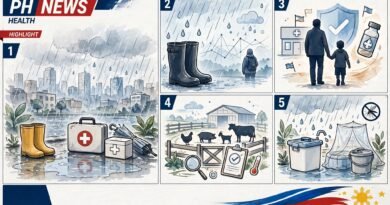

Health — August 26, 2026
Health developments for August 26 include new HIV surveillance data and mounting pressure on hospitals treating leptospirosis after recent flooding. The DOH reported a sharp year-on-year decline in newly reported HIV cases in the second quarter, while San Lazaro Hospital and other referral centers are managing a surge in leptospirosis patients linked to flood exposure.
Last updated: 4:15 p.m. PHT
DOH reports 39% drop in newly reported HIV cases in Q2
Newly reported HIV cases fell 39 percent in the second quarter of 2026 compared with the same period last year, according to the latest Department of Health surveillance data shared by the Philippine National AIDS Council. The country recorded 2,994 confirmed HIV-positive cases from April to June, or an average of 33 cases per day. The DOH also reported continued growth in PrEP uptake and an expansion of certified HIV diagnostic laboratories nationwide. Source: Philippine News Agency.
San Lazaro Hospital ER strained by leptospirosis surge
San Lazaro Hospital is dealing with a rising number of leptospirosis patients following recent floods, putting pressure on its emergency department and inpatient capacity. The Philippine Red Cross has augmented nursing manpower as the hospital manages the seasonal increase in cases. Health authorities continue to urge people exposed to floodwater to watch for symptoms and seek medical care promptly, especially after prolonged or high-risk exposure. Source: ABS-CBN News.
PGH and NKTI strengthen leptospirosis referral coordination
The Philippine General Hospital and the National Kidney and Transplant Institute have strengthened referral coordination as leptospirosis cases rise after widespread flooding. The arrangement is intended to help manage patients who develop severe complications, including kidney problems that may require more specialized care. The move reflects growing pressure on major government hospitals during the current post-flood period. Source: Philippine News Agency.
Monsoon rain raises risks from flooding and waterborne illness
Persistent rain and flooding can increase exposure to contaminated water, leptospirosis and other health hazards. Residents should avoid unnecessary contact with floodwater, protect wounds and seek medical advice after high-risk exposure. Local health offices may issue more specific guidance when flooding occurs. Source: Department of Health.
Rabies prevention remains a public-health priority
Health authorities continue to stress immediate wound washing and prompt consultation after dog, cat or other mammal bites or scratches. Rabies is preventable when post-exposure treatment is received in time, making access to animal-bite treatment centers and public awareness central to prevention efforts. Source: Department of Health.
Nutrition programs target vulnerable children and families
Government health and nutrition programs continue targeting undernutrition among children and other vulnerable groups. School and community feeding, growth monitoring and nutrition education are among the interventions used by health and education agencies to improve outcomes. Source: National Nutrition Council.
Public-health access remains tied to local service capacity
Access to primary care, medicines and referral services continues to vary across communities, making local health centers and government hospitals important entry points for patients. National and local health agencies continue efforts to strengthen service delivery and preventive care. Source: Department of Health.
About this brief: PHNews tracks meaningful Philippine health developments throughout the day. Stories are sourced from official organizations and established news outlets. Older developments may be included when they remain active or relevant today.